Buying Rural in Uxbridge: What You Need to Know About Farms, Equestrian Properties, and Acreages
There's a particular kind of buyer I love working with — the one who's done the math on a 10-acre horse property, already knows what a paddock needs to look like, and asks me on the first call whether the well can handle three horses through a dry July. These buyers know what they want. What they need is someone who knows the land.
Uxbridge rural properties are not the same as buying a detached home in town, and they're not the same as buying rural land somewhere else in Ontario either. The Oak Ridges Moraine, the LSRCA, the concession roads, the proximity to Durham Forest — all of it shapes what a property can do, what you can build on it, and what it will be worth when you eventually sell. If you're seriously looking at farms, equestrian properties, or acreages in Uxbridge, here's what I think you need to understand before you make an offer.
What the Rural Market Looks Like Right Now
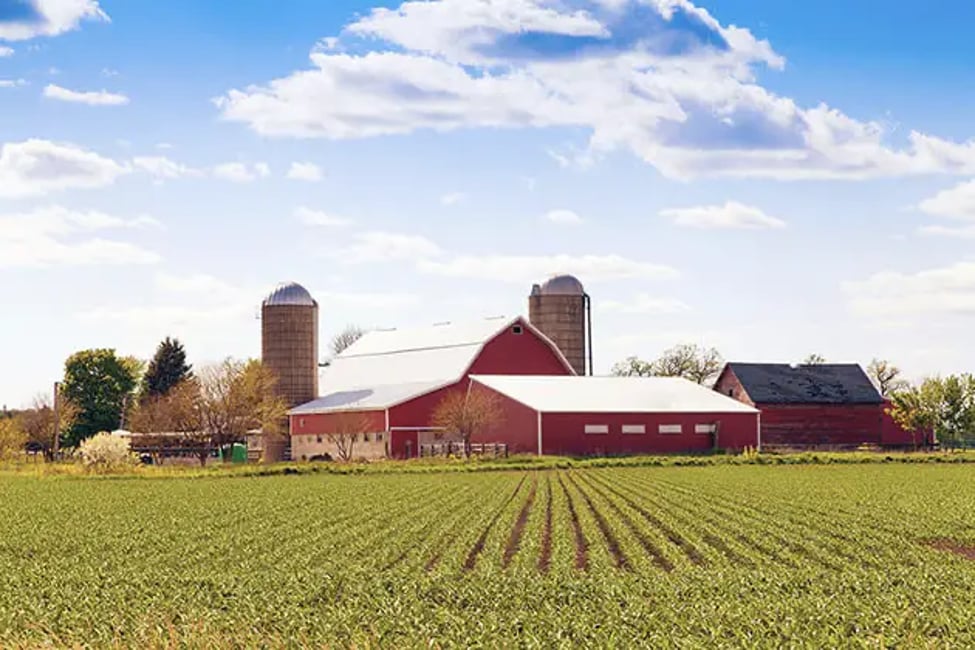
As of October 2026, there are roughly 46 acreage listings in Uxbridge Township, with a median list price around $1,774,500 and an average of 81 days on market — compare that to 29 days for in-town homes. That longer time on market isn't necessarily a sign of weakness. Rural properties are simply harder to match: the right buyer for a 15-acre equestrian setup with a four-stall barn, an outdoor arena, and a creek running through the back pasture is a specific person, and finding them takes time.
The price range is wide. You'll find vacant lots on rural concession roads in the low hundreds of thousands, and you'll find full equestrian operations with multiple structures pushing toward $4 million. The majority of activity — buyers actually buying — clusters in the $900,000 to $2.5 million range, which covers hobby farms, smaller equestrian properties, and residential acreages with good infrastructure.
The Three Things That Make Uxbridge Rural Different
1. The Oak Ridges Moraine
Most of Uxbridge Township sits on the Oak Ridges Moraine, and the Ontario Oak Ridges Moraine Protection Act governs what can be done with that land. The Moraine is divided into designations — Natural Core, Natural Linkage, Countryside, and Settlement Area — and what you're allowed to build, sever, or change depends entirely on which designation applies to your property.
Natural Core and Natural Linkage parcels are the most restricted. They protect the water table, forests, and wildlife corridors that make this part of Ontario what it is — and that's genuinely worth protecting. But it also means that a property that looks buildable on a map may have very limited development potential in practice. Confirming the Moraine designation is one of the first things I do when a client is looking at a rural property in Uxbridge.
2. The Lake Simcoe Region Conservation Authority (LSRCA)
The LSRCA regulates land near watercourses, valleylands, and wetlands across the Township. If a property has a creek, a pond, or a wetland — things that often make rural properties beautiful and appealing — there may be a regulated area around that feature that limits what can be built or modified within it.
This doesn't necessarily make a property a bad buy. It just means you need to understand what the regulated area covers before you decide what you're paying for. A pond that feeds into a regulated watercourse might restrict where you can place a new barn, extend a paddock, or install a septic expansion. Your lawyer and a qualified consultant can map this out during due diligence.
3. Well and Septic — Always
Every rural property in Uxbridge operates on a private well and private septic system. There is no municipal water or sewer service outside the town core. This is standard in rural Ontario, but the stakes are higher than most buyers realize until they've done it once.
A well flow rate test tells you whether the well can deliver adequate water under demand. This matters for any family, but it matters even more for an equestrian property — horses drink between five and ten gallons of water per day each, and a barn of four horses in summer is a serious draw on a well that may have been sized for a household of two. Flow rate testing is non-negotiable as a condition in any rural offer I write.
A septic inspection — not just a visual check, but a full pump, examine, and evaluation of the leaching bed — is equally essential. A failed septic bed can cost $20,000 to $40,000 to replace. The tank might look fine; the bed might not be. Budget roughly $400 to $800 for a proper inspection, and insist on a longer conditional period — 14 to 21 days — to allow time for water lab results and scheduling a septic inspector.
One more thing: test the water. E. coli and coliform testing is free through Public Health Ontario. Chemical testing for heavy metals and other contaminants costs extra but is worth doing on any property with farming history.
Buying an Equestrian Property: What to Actually Evaluate
Uxbridge has one of the strongest equestrian cultures in Durham Region. The proximity to Durham Regional Forest — 596 hectares at the top of the Oak Ridges Moraine, with designated equestrian riding on its trail network — makes this an unusually good location for horse people. Properties with direct trail access, or that back onto riding routes connecting to the Trans Canada Trail, carry a real resale premium. It's not marketing spin; it's something I see in the numbers.
When you're evaluating a specific equestrian property, here's what I look at with buyers:
Land and pasture — Plan on one to two acres of workable pasture per horse, after subtracting any regulated areas, steep grades, or wetlands. Hilly terrain looks beautiful in listing photos and leaves you less usable paddock than you'd expect.
The barn — Look at structure, ventilation, and lighting first. Standard stalls are 12x12 feet. You want a wash stall, a tack room, proper feed storage, and a hay loft or equivalent. Older barns can be in excellent condition; older barns can also have unpermitted additions that create headaches. Check the permit status of all outbuildings as part of due diligence.
Fencing — Three- or four-rail board fencing is the standard; post-and-rail, vinyl, and electric are also used. What you're looking for is horse-safe perimeter in good condition. Replacing fencing on a large property is expensive enough to warrant a serious look at every line before you close.
The arena — A functional outdoor arena is at minimum 60 feet by 120 feet with adequate drainage and safe footing. An indoor arena is a significant asset and a significant cost: building a new one runs over $200,000. If the property has one, inspect it thoroughly and price it honestly into your offer.
Zoning for your intended use — This is where buyers often get surprised. Keeping horses for personal use is generally permitted on agricultural land in Uxbridge, but commercial boarding, training operations, or lessons may require additional permissions. If your plan is to run a boarding facility or a lesson program, confirm the zoning supports it before you fall in love with the property.
Hobby Farms and Agricultural Parcels
Not every rural buyer wants horses. Plenty of Uxbridge buyers are looking for a few acres to grow something — a market garden, a pick-your-own operation, a small beef or sheep setup — or simply want a property with space, a good house, and room to breathe.
Agricultural land in Uxbridge Township runs along the concession roads, particularly north and east of the town core. These parcels tend to be more straightforwardly agricultural than the Moraine-heavy land to the west. Soil quality, drainage, and existing infrastructure (granaries, drive sheds, irrigation access) vary widely, and the listing price rarely tells you the whole story about what a working farm setup is actually worth.
One thing to confirm early: winter road maintenance on your concession road. Some roads in the Township are maintained year-round; others may not be plowed to the same standard. If you're planning to trailer horses or move equipment through the winter, this matters.
The Financing Reality
Major banks are set up for urban real estate. When it comes to rural properties, most lenders will mortgage the house and a limited land component — typically five to ten acres — and assign reduced or no mortgage value to excess acreage. If you're buying a 25-acre equestrian property, you may find that the bank is only willing to lend against a fraction of the purchase price.
This doesn't mean you can't finance a rural property. It means you need the right lender — one that specializes in agricultural or rural real estate — and you may need a larger down payment than you'd expect coming from a city purchase. Get your financing sorted and conditional approval in place before you make an offer, not after.
The Hamlets: Goodwood and Zephyr
Goodwood and Zephyr are the two main hamlets within Uxbridge Township, and both deserve mention for rural buyers. Goodwood sits in the southern end of the Township, closer to the 407, and has a distinct small community feel with good access to both Uxbridge amenities and the GTA. Zephyr is quieter, further north, and draws buyers who genuinely want to feel removed from everything — century homes on acreage, deep country quiet, and the kind of sky you don't get in town.
Properties in both hamlets can offer rural character with slightly better road access and sometimes a different zoning profile than the deeper concession roads. They're worth knowing about if you're casting a wide net across the Township.
Why Uxbridge Specifically?
I get asked sometimes why buyers choose Uxbridge over other rural Ontario communities. There are practical answers — the commute to Markham or Newmarket is manageable, the hospital is in town, the amenities are real — but I think the honest answer is Durham Regional Forest and the trail network.
For equestrian buyers especially, having 596 hectares of Crown forest with designated riding trails, connecting to the Trans Canada Trail and the Oak Ridges Moraine Trail, effectively makes your property's backyard immeasurably larger than the acreage on the deed. That's not something you can replicate by buying cheaper land somewhere else and building more paddocks.
Before You Make an Offer
Rural due diligence takes longer than urban due diligence, and it should. If you're buying an equestrian property or a farm in Uxbridge, plan for:
- A minimum 14 to 21-day conditional period
- A well flow rate test and water quality testing (bacteria and chemical)
- A full septic pump, inspection, and leaching bed evaluation
- A review of all outbuilding permit status
- Confirmation of the Oak Ridges Moraine designation
- An LSRCA check on any watercourse, wetland, or regulated area
- Verification of zoning for your intended use — especially for commercial or boarding operations
- Winter road maintenance status on your concession road
- A pre-approval with a rural-specialist lender
None of this is meant to scare you off. The rural Uxbridge market is full of genuinely special properties, and I've helped buyers find exactly what they were looking for more times than I can count. The due diligence list is just how you make sure what you're buying is what you think you're buying.
If you're exploring farms, equestrian properties, or acreages in Uxbridge, I'd love to talk. There's a lot that's hard to see from a listing sheet, and sometimes the best properties are the ones you find by knowing where to look.
Dana Hrynyk — Uxbridge, Ontario Real Estate [email protected]